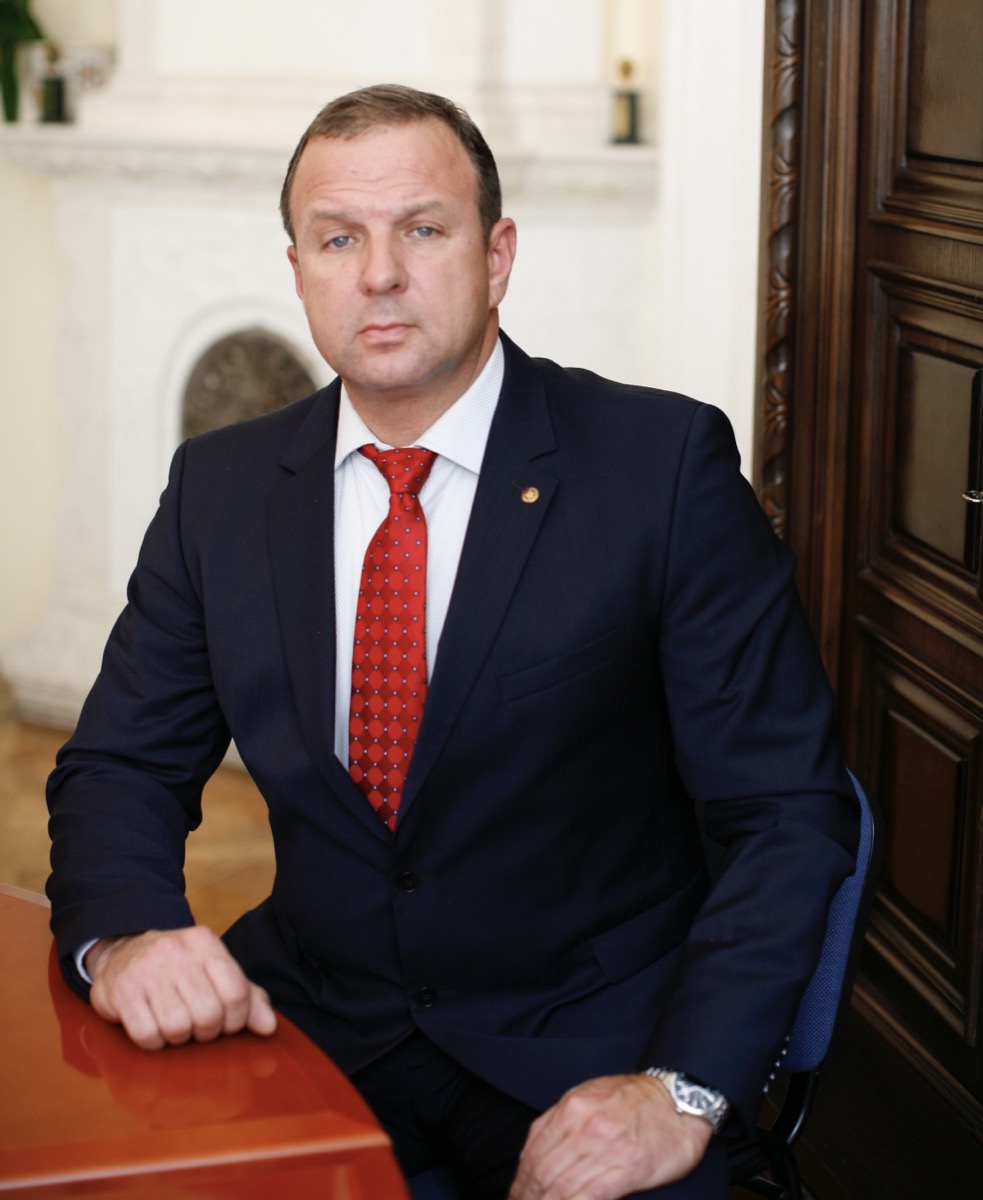
Attorney
Darius Katauskas
Real estate transactions, land and co-ownership disputes, disputes with authorities.

Drafting and reviewing real estate transactions, protecting ownership rights, easements, plot boundaries and arrangements for use, disputes with the National Land Service and other authorities.
Practice area
Real estate is often the largest asset of a person or a family, and mistakes in a transaction or in documents sometimes only come to light years later. A lawyer's review before signing and a well-defended position in a dispute help to avoid costly consequences.
Frequently asked questions
Before the transaction, it is worth reviewing the Real Property Register data: whether the property is mortgaged or under seizure, whether any easements have been established, and whether the buildings were built lawfully and match the cadastral data. It is also important to check whether the seller is entitled to sell the property, for example whether a spouse's consent is required. The preliminary agreement should clearly state what happens if the main agreement is not concluded.
First, cadastral and survey data are collected; sometimes new geodetic measurements are needed. Some disputes can be settled by agreement with the neighbour; in other cases a claim is brought in court or decisions of authorities are challenged. It is important to assess in advance which route is quicker and more cost-effective.
An easement is a right to use another person's immovable property, for example to drive across a neighbour's plot or to lay utility lines. It can be established by agreement, by an administrative act or by a court decision, and the owner whose property is burdened by the easement is usually entitled to compensation.
Co-owners may agree on arrangements for use among themselves; if they cannot agree, the court determines them. In some cases the co-owned property can also be partitioned, provided this is possible without disproportionate damage to the property.
Attorneys
Real estate transactions, land and co-ownership disputes, disputes with authorities.
Contact
Jakšto 11-4, Vilnius
LT-01105, Lietuva
Attorney