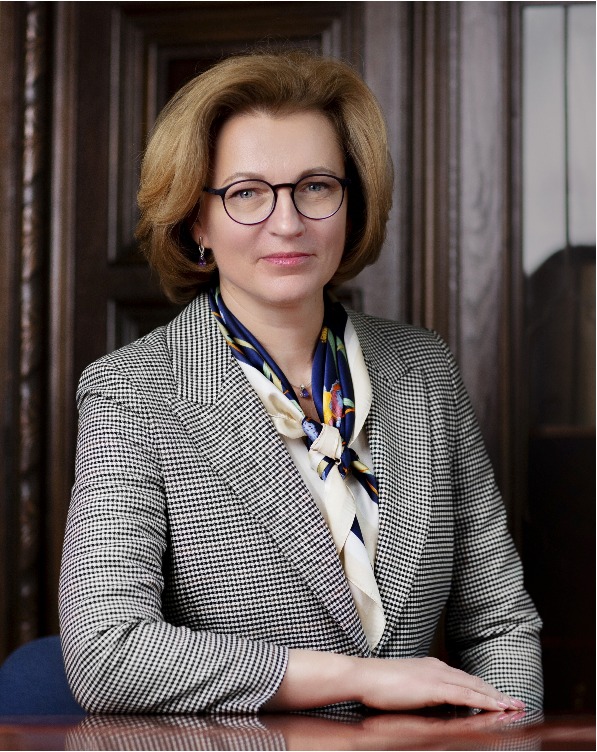
Attorney
Eglė Katauskaitė
Family law, matrimonial property regime, international family cases.

Divorce, division of property, a child's place of residence and child support. The attorneys advise, draft agreements and represent clients in court, aiming to resolve sensitive family disputes as amicably as possible.
Practice area
Family cases involve both legal and deeply personal questions. That is why the whole situation is assessed first: whether an agreement is possible, what is in the children's best interests, and which property belongs to the spouses jointly and which to each of them personally.
Only then is the path chosen: an amicable agreement, mediation or court proceedings. If inheritance questions are also involved, see “Inheritance law”.
Frequently asked questions
A marriage may be dissolved by mutual consent of the spouses, at the request of one spouse (for example, where the spouses have lived apart for more than a year), or on the grounds of the fault of one or both spouses. Divorce by mutual consent is possible where more than one year has passed since the marriage and the spouses agree on all of its consequences. Which route is most suitable depends on the specific situation.
Mandatory mediation applies to many family disputes, for example those concerning a child's place of residence, contact arrangements or maintenance: before going to court, the parties must try to resolve the dispute with a mediator. Attorney Saulė Katauskaitė is also a mediator, so you can get a clear explanation of how mediation works and how to prepare for it.
Child support must correspond to the child's needs and the financial situation of both parents. The parents' income, property, other dependants and the child's actual expenses are taken into account. If circumstances change, the amount of support awarded can be changed.
Useful documents include the marriage certificate, the children's birth certificates, a marriage agreement if there is one, documents on property and loans, information on income and, if available, correspondence with the other party or court documents. If you do not have some of the documents, that is no obstacle to starting: what else is needed will be discussed during the consultation.
Yes. In cases with an international element, it is important to determine which country's court will hear the case and which country's law will apply. Attorney Eglė Katauskaitė advises on private international law, including the recognition of foreign court judgments in Lithuania.
Attorneys
Family law, matrimonial property regime, international family cases.
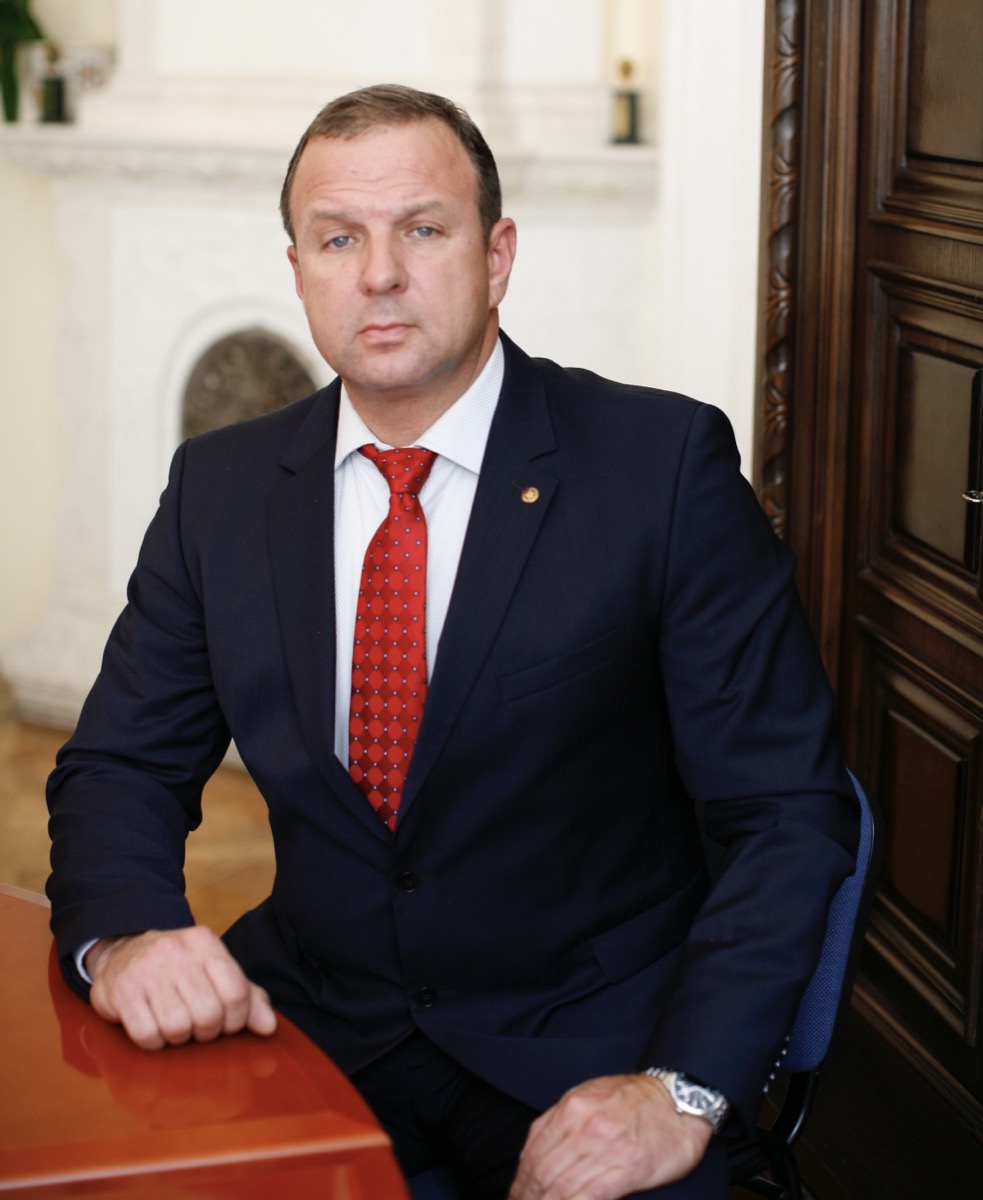
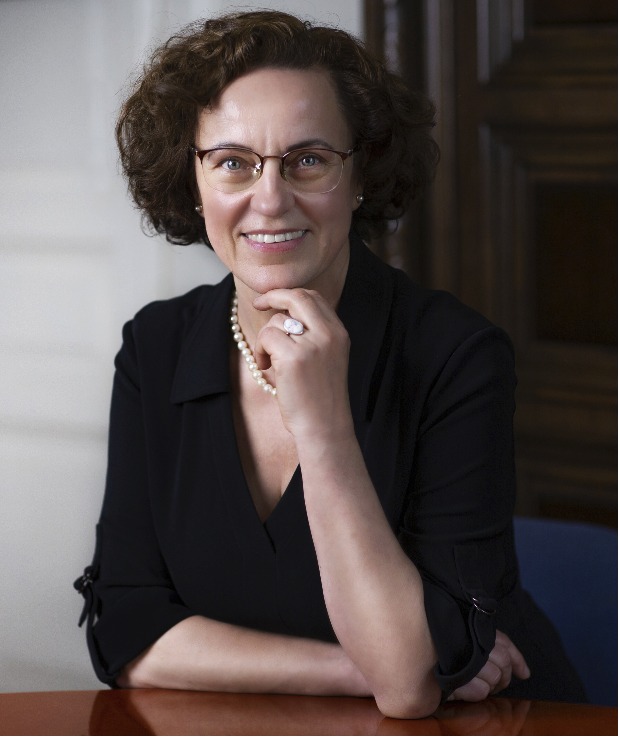
Mediation, establishment of guardianship and custodianship.
Contact
Jakšto 11-4, Vilnius
LT-01105, Lietuva
Attorney
Attorney
Attorney, mediator