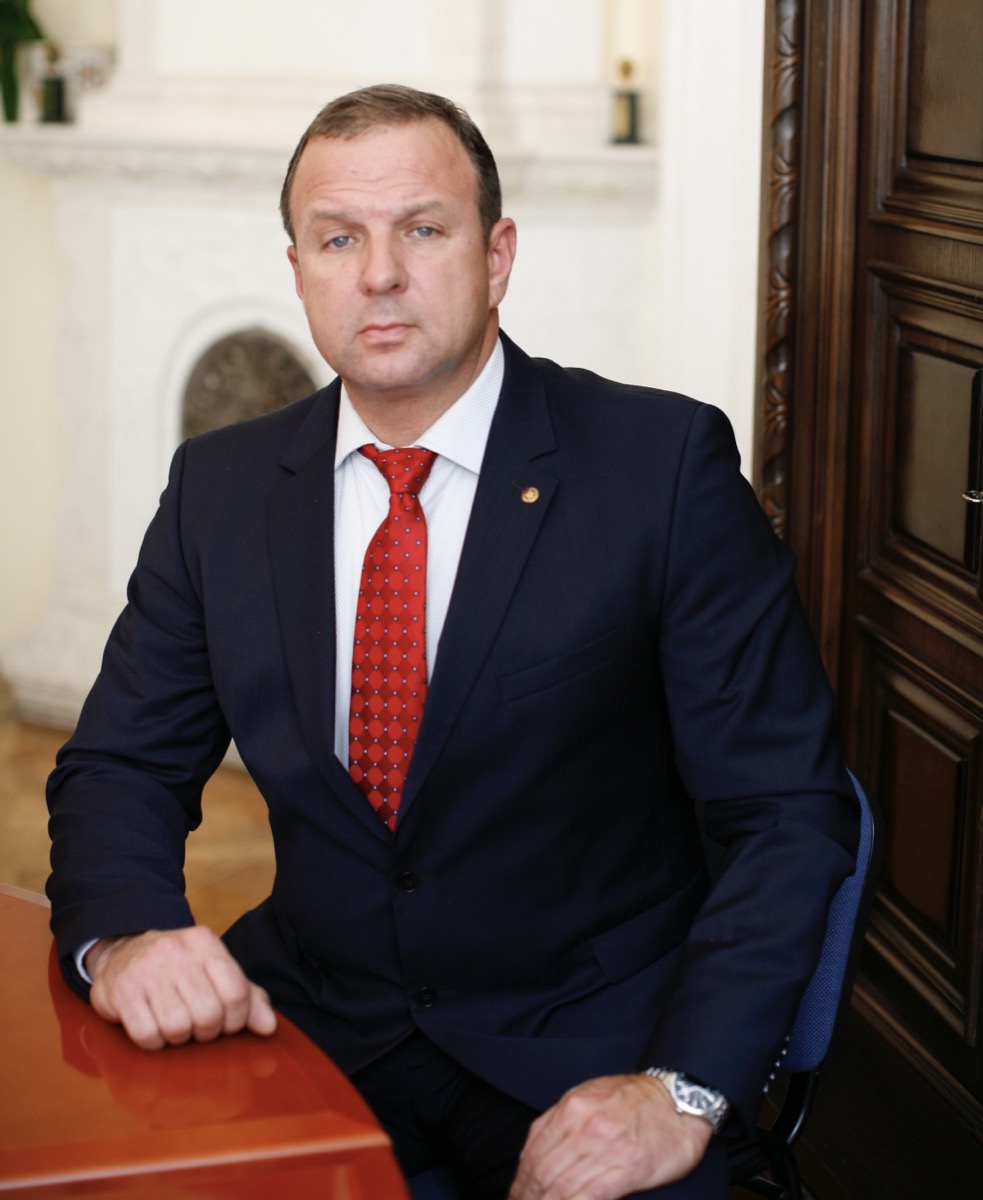
Attorney
Darius Katauskas
Defence during the pre-trial investigation and in court, appeals.

Defence and representation during the pre-trial investigation and at every stage of criminal proceedings, from the first interview to the appeal. Legal assistance for suspects, accused persons and victims.
Practice area
In criminal proceedings, the first steps often shape the entire course of the case. That is why a lawyer's help matters not only in the courtroom, but from the moment a summons to an interview or a notice of suspicion is received.
Victims receive help in defending their rights and seeking compensation; see “Compensation for damage”.
Frequently asked questions
It is worth consulting a lawyer before the interview, even if you are called as a witness. A suspect has the right to a defence lawyer from the first interview, and no one can be compelled to give evidence against themselves. A lawyer will help you understand your procedural position and prepare for the interview.
A witness is generally obliged to give evidence and tell the truth, but may refuse to testify against themselves, their family members or close relatives. A suspect has the right to remain silent and to have a defence lawyer. A person's procedural status can change during an investigation, so it is worth assessing it in advance.
Yes. The use of procedural coercive measures can be challenged before the pre-trial investigation judge or a higher court. Short time limits apply to such complaints, so it is important to act without delay.
A victim may review the case file, submit requests and evidence, challenge decisions of pre-trial investigation officers and file a civil claim for compensation within the criminal case. You can read more on the “Compensation for damage” page.
Attorneys
Defence during the pre-trial investigation and in court, appeals.

Representation of victims and compensation for damage caused by criminal offences.
Contact
Jakšto 11-4, Vilnius
LT-01105, Lietuva
Attorney
Attorney, mediator