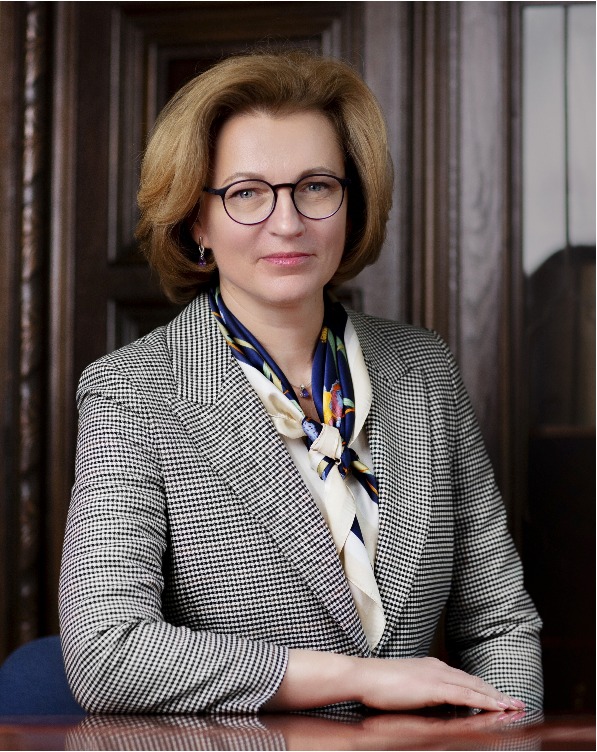
Attorney
Eglė Katauskaitė
Accepting inheritances, wills, disputes between heirs, international succession.

Accepting or renouncing an inheritance, drafting and challenging wills, disputes between heirs and division of inherited property. The attorneys advise and represent clients in notarial procedures and before courts of all instances.
Practice area
Inheritance questions usually arise unexpectedly and at a difficult time, and the deadlines are short. It is therefore important to assess in good time what property and debts make up the estate, who the heirs are, and the safest way to accept the inheritance.
Where the estate includes real estate or land, see also “Real estate and land”.
Frequently asked questions
An inheritance must be accepted within three months of the date the succession opens, that is, the date of the deceased's death. This can be done by submitting an application to the notary at the place where the succession opened, or by actually taking possession of the inherited property. Actual possession may later have to be proven, so it is usually safer to go to a notary.
The court may extend the deadline if it finds that it was missed for important reasons, for example where the heir did not know of the death. In that case, evidence must be gathered and an application made to the court as soon as possible.
Yes, the deceased's debts pass to the heirs who accept the inheritance. If the extent of the debts is unclear, the inheritance can be accepted on the basis of an inventory: the heir is then liable for the deceased's debts only up to the value of the inherited property. The inheritance can also be renounced.
It is a share guaranteed by law that certain close relatives inherit regardless of the content of the will. It may be claimed by the deceased's children (adopted children), spouse and parents (adoptive parents) who are in need of maintenance. Whether a right to the compulsory share exists, and how large it would be, is assessed case by case.
Yes, for example if it was made without complying with the formal requirements, if the testator could not understand the meaning of their actions at the time, or if the compulsory share has been infringed. Time limits apply to such disputes, so if you have doubts about a will, it is worth seeking advice without delay.
Attorneys
Accepting inheritances, wills, disputes between heirs, international succession.
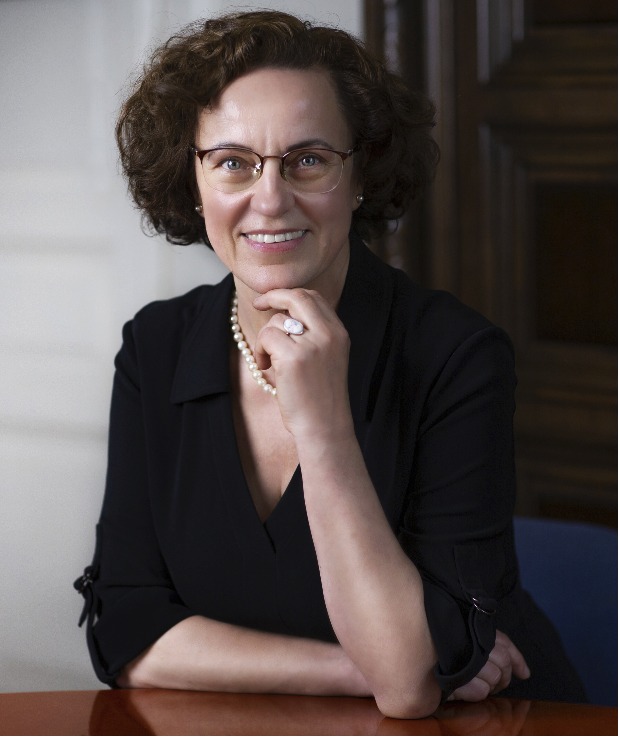
Acceptance of inheritance, challenges to wills and division of property.
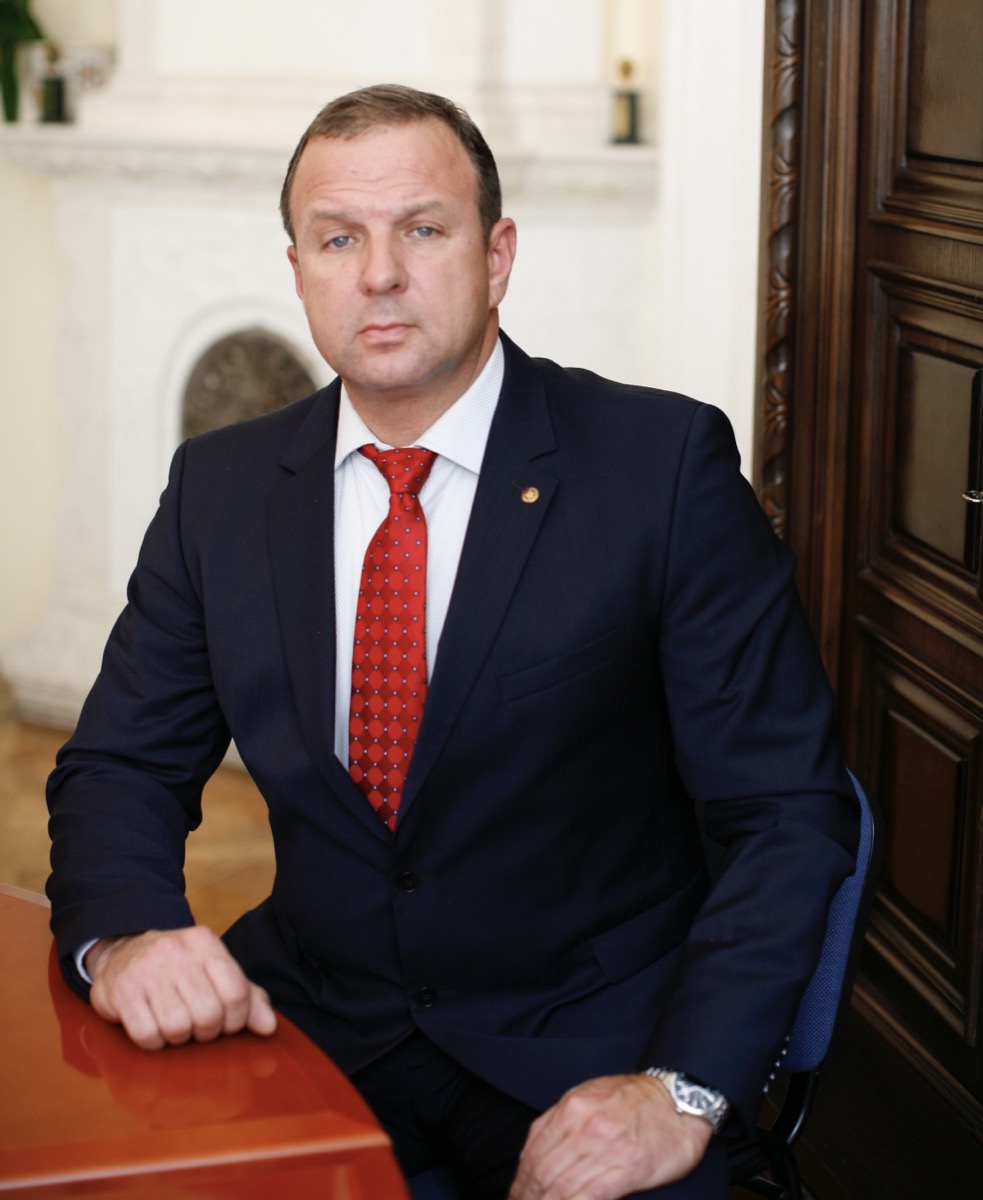
Contact
Jakšto 11-4, Vilnius
LT-01105, Lietuva
Attorney
Attorney, mediator
Attorney